



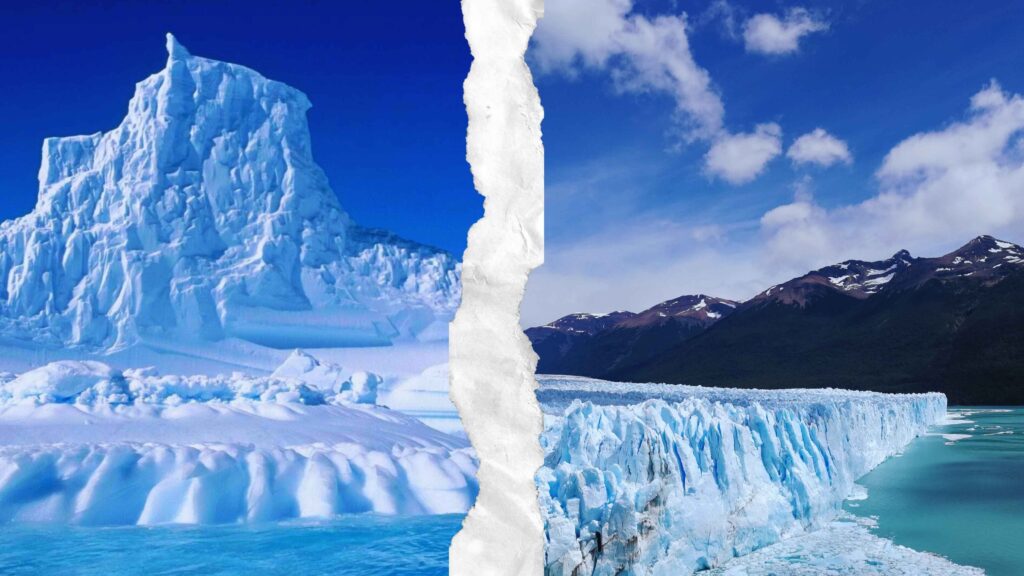
Have you ever looked at photographs of large white ice sheets in the North or South Pole? These enormous bodies of frozen water are referred to as polar ice caps. You might have also looked at big, flowing rivers of ice on mountains — these are referred to as glaciers. Both consist of frozen freshwater and contribute significantly to how our oceans function.
But what happens when these ice-covered areas start to melt? What do they do to the oceans? In this blog, we will learn all about how glaciers and polar ice caps impact our oceans — in very simple words.
What Are Polar Ice Caps and Glaciers?
Polar ice caps are huge ice sheets located close to the North Pole (Arctic) and South Pole (Antarctica). They remain frozen throughout the year, although some areas can melt in warmer seasons.
Glaciers are slow-moving rivers of ice located on mountains and in cold climates. They consist of years of snowfall that becomes compressed into ice.
Both the polar ice caps and glaciers contain a massive quantity of freshwater. Actually, nearly 70% of the freshwater in the world is locked up in ice caps and glaciers!
How Do They Impact Our Oceans?
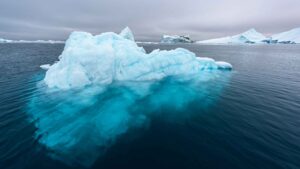
As polar ice caps and glaciers melt, they pour freshwater into oceans. This melting can influence the oceans in various ways:
Rising Sea Levels
As ice on land melts, it flows into the ocean and contributes more water. This increases sea levels. A small increase causes huge problems:
🧊 Flooding of coastal cities
🧊 Loss of housing for humans and animals
🧊 Beach and coastline changes
One of the largest impacts of melting polar ice caps and glaciers is rising sea levels.
Altering Ocean Salinity
Sea water is salty. However, when glaciers melt, they contribute freshwater, which is not salty at all. This reduces the saltiness of ocean water in certain areas.
Salinity is the term for this alteration of saltness. Salinity influences the movement of water in the sea. Salinity also alters where sea animals and fish live. Some organisms require salty water, but others like freshwater.
Upsetting Ocean Currents
Ocean water circulates around the planet in huge movements known as currents. They transport warm and cold water around the globe. They regulate the climate and weather.
When glaciers melt, the resulting freshwater can retard or alter these currents. This can lead to:
🌊 Alterations in weather patterns
🌊 Colder winters or warmer summers in certain regions
🌊 Increased storms or rain in others
Why Ice Caps and Glaciers Are Melting
Ice naturally melts during warmer seasons, but of late, ice has been melting at an abnormal rate. This is largely due to global warming.
Global warming occurs when pollution traps heat within Earth’s atmosphere. The heat causes ice to melt at a faster rate, particularly in the Arctic and Antarctica. As the ice melts at a higher rate, more freshwater enters the oceans.
What Does Happen to Sea Animals?
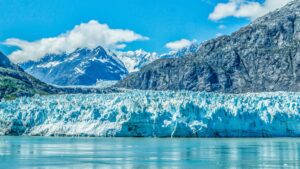
There are many sea creatures that inhabit the area around ice caps. Some, such as polar bears and seals, require ice in order to hunt or sleep. If the ice melts, they have lost their shelter and source of food.
Also, creatures that inhabit the ocean, such as fish, whales, and krill, suffer when the water is less salty or too hot. Some will migrate to new locations. Others will perish if they are unable to adjust.
Melting ice doesn’t only impact the oceans — it impacts all life that relies on them.
Why Should We Care?
We might be far from the North Pole or large glaciers, but we still have to care about them. Here’s why:
- Oceans cover more than 70% of Earth. What happens in the ocean impacts all of us.
- Rising sea levels can flood homes, cities, and farmland.
- Fish and sea animals can disappear from areas where people rely on them for food.
- Weather can change, with more heatwaves, floods, or storms.
That’s the reason students in the top schools in Mohali and top schools in Kharar, such as Anee’s School, study about how nature functions and how to conserve our planet.
What Can We Do to Help?
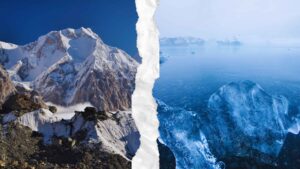
Even small measures can assist glaciers and oceans. Here are some things we can do:
💠 Conserve energy: Switch off the lights and fans when not in use.
💠 Plant more trees: Trees absorb carbon dioxide, thus reducing warming.
💠 Use bicycles or walk more and less by cars.
💠 Less usage of plastic: Plastic tends to go into the ocean and pollute sea animals.
💠 Learn and share: The more we learn, the more we can give!
At Anee’s School, one of the best schools in Mohali and Kharar, students participate in environmental activities and awareness programs to save our planet.
Fun Facts for Kids
🚀 If all ice caps and glaciers melted, the sea level would rise approximately 70 meters!
🚀 The coldest spot on our planet is Antarctica, but it’s a desert since hardly any rain falls there.
🚀 Some glaciers travel a few centimeters per day, but others travel as much as 30 meters per day!
🚀 Scientists use satellites to monitor ice melting from outer space.
🚀 Penguins reside in the South Pole (Antarctica), whereas polar bears reside in the North Pole (Arctic).
Summary
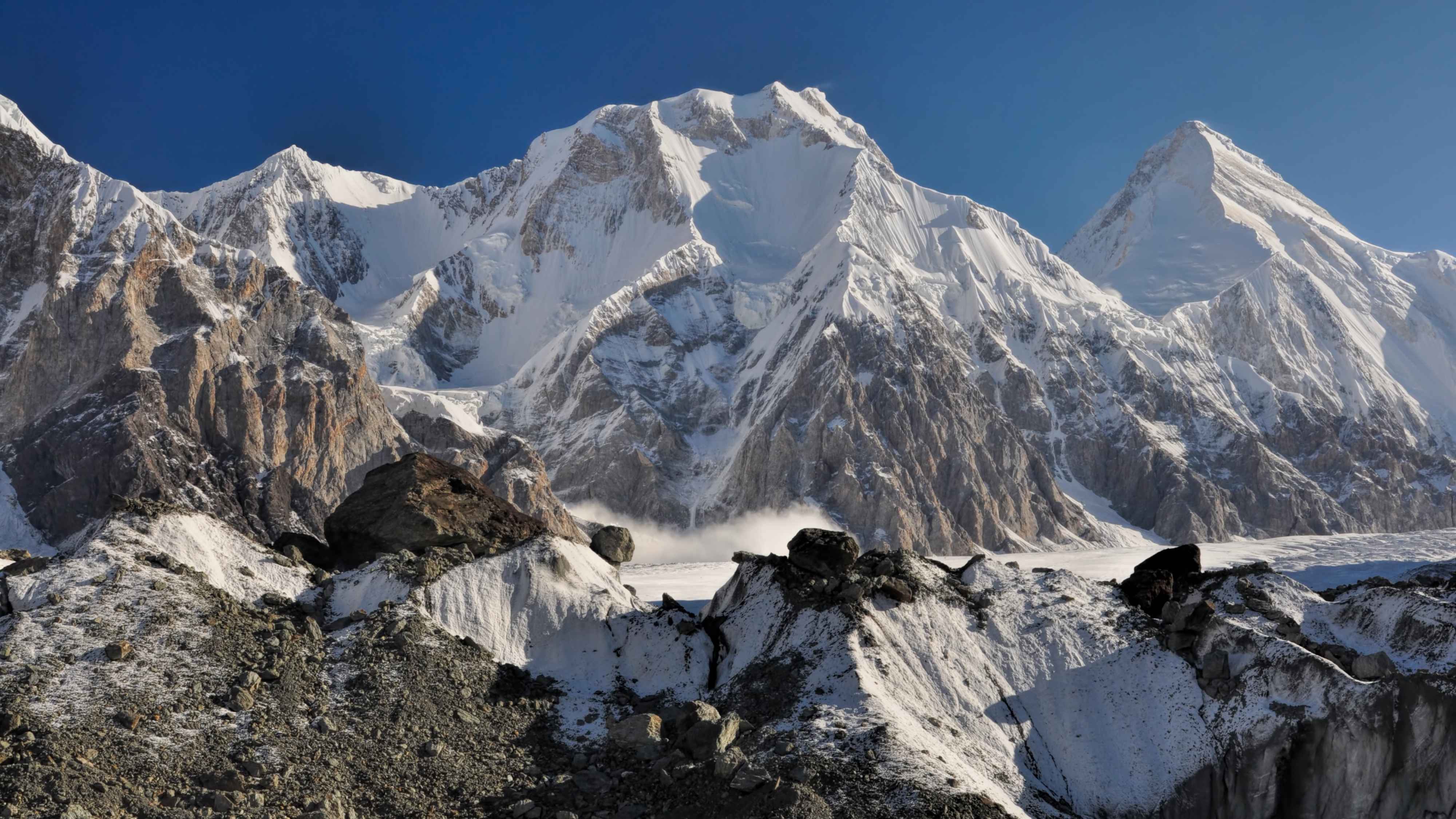
Polar ice caps and glaciers play a very crucial role in our planet. They contain most of the world’s freshwater and maintain the balance of the climate. However, because of global warming, they are melting at a rate that is higher than ever before. When they melt, they contribute more water to the oceans, alter ocean salinity, and disrupt sea life and weather patterns.
Even though we may be distant from these cold locations, we can assist by knowing them, conserving energy, and taking care of nature. The top schools in Mohali and top schools in Kharar are making their students Earth heroes by showing them how what we do impacts the world.
Let’s save our ice, ocean, and planet — together!
Read more important blogs from Anee’s School:
Marine Life: Sea Creatures and Their Vital Ecosystem Roles
How Underwater Earthquakes Make Big Sea Waves (Tsunamis)